
.svg)
Pros and Cons of Radiant Floor Heating Systems for Chicagoland Homeowners
Radiant floor heating can be worth the investment for homeowners planning long-term residence who value comfort and energy efficiency. The 25-30 percent energy savings and superior comfort often justify the $7,000-66,000 initial investment, especially when integrated into planned renovations. However, we understand that the high upfront costs and complex installation make it less suitable for quick ROI situations or tight budgets.
As experienced Chicagoland floor installers who've mastered hundreds of radiant heating systems, Majestic Tiles understands the unique considerations for our climate. We'll address the critical questions Chicago homeowners ask, from installation complexities to long-term operational costs.
What Is Radiant Floor Heating, and How Does It Work?
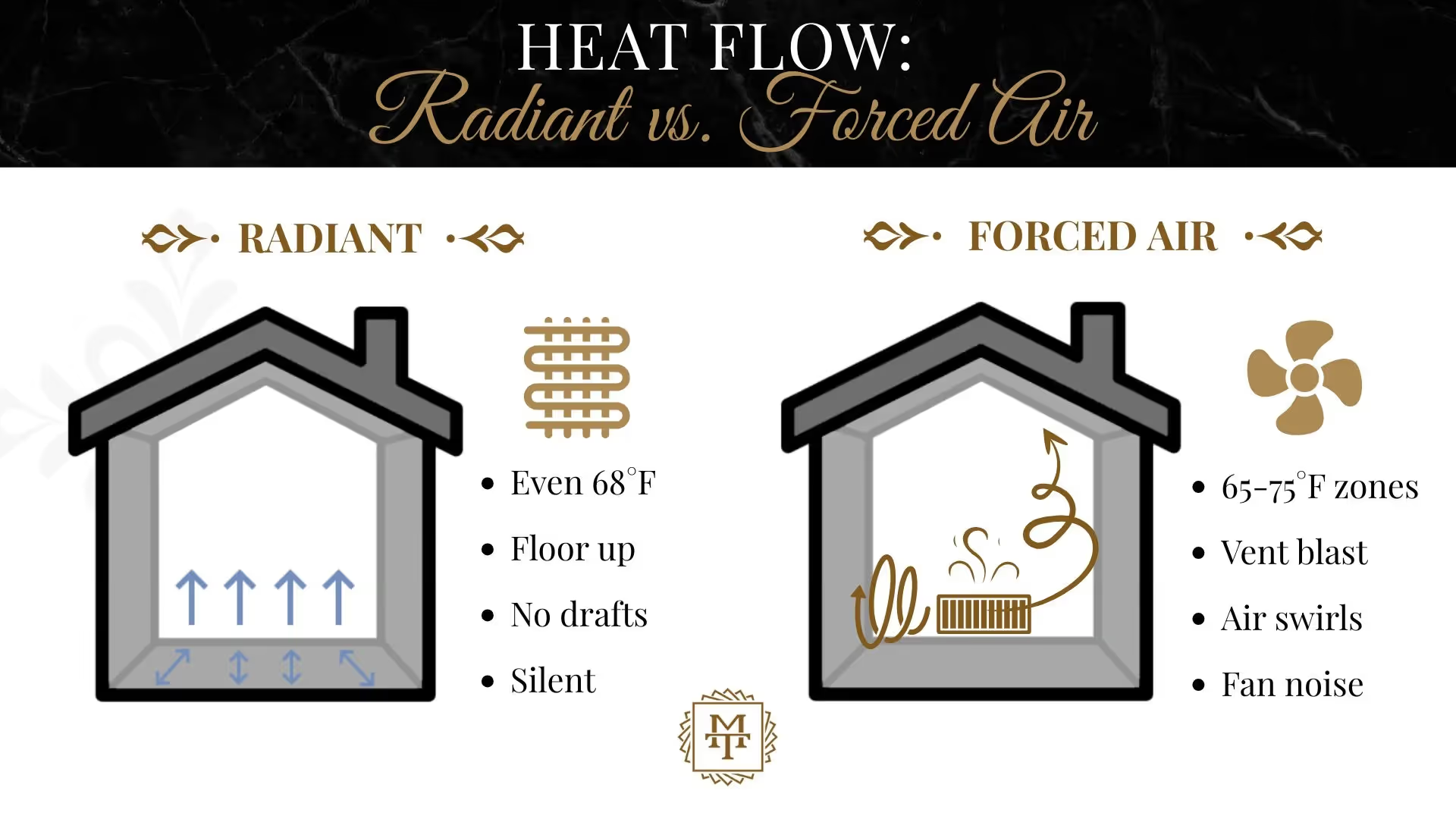
In this type of flooring, heat radiates upward from the floor through infrared radiation, warming objects and people directly. This eliminates the 20-30 percent efficiency loss typical of duct systems. The National Renewable Energy Laboratory confirms radiant systems achieve a heating delivery effectiveness of 1.00 compared to 0.88 for untested ducted systems. The absence of moving air prevents dust and allergen circulation during our long indoor season.
Types of Radiant Floor Heating Systems
Choosing between electric and hydronic radiant heating systems determines your installation complexity and operational costs.
Electric Radiant Floor Heating
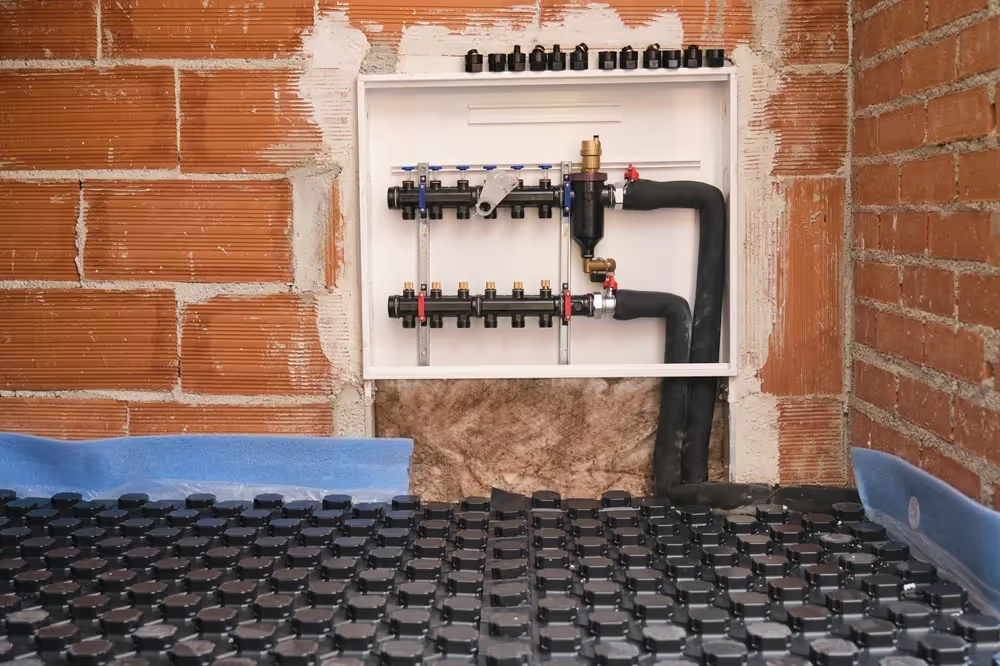
Electric systems use thin heating cables or mats (approximately 1/8" thick) installed directly beneath flooring. They consume 10-15 watts per square foot and heat up in 15-30 minutes.
Best for:
- Bathroom renovations (25-150 sq ft)
- Updated kitchen comfort zones
- Other targeted heating additions
Cost considerations: Installation runs $8-15 per square foot. A bathroom that’s 100 square feet costs approximately $1-5 daily to operate, depending on the local electricity rates.
Hydronic Radiant Heating Systems
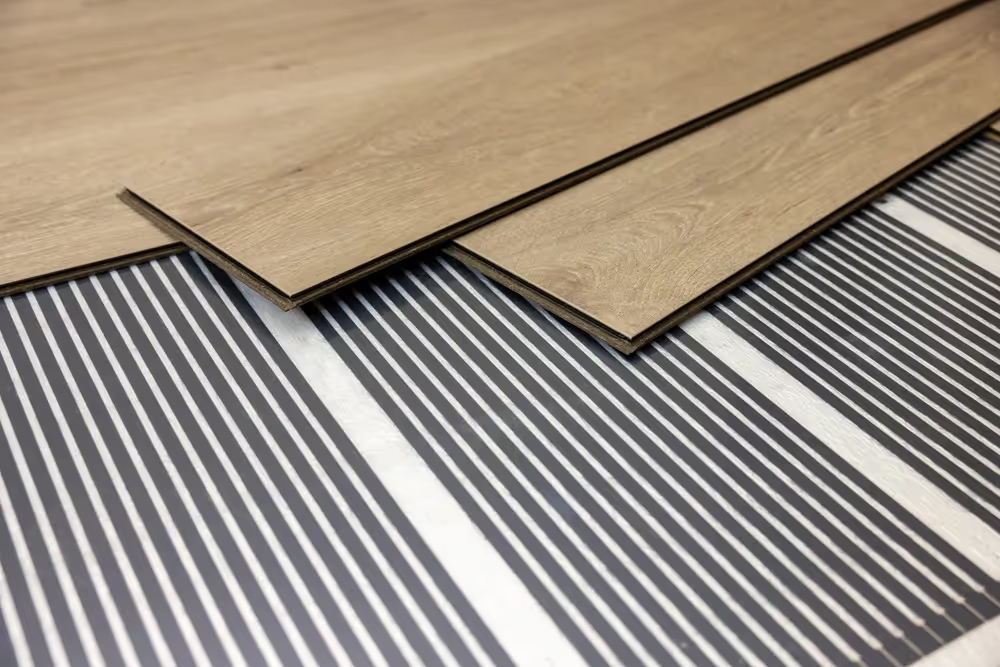
Hydronic systems circulate heated water through PEX tubing connected to a boiler, heat pump, or solar thermal system. They take 4-7 hours to reach the set temperature but offer superior efficiency for large spaces.
Best for:
- Whole-house heating in new construction
- Large-scale renovations
- Integration with renewable energy sources
Cost considerations: Installation ranges from $7 to $22 per square foot. A 2,000 square foot home typically costs $600-1,200 annually when connected to high-efficiency boilers.
Radiant Heating with Tile Flooring
$66,000
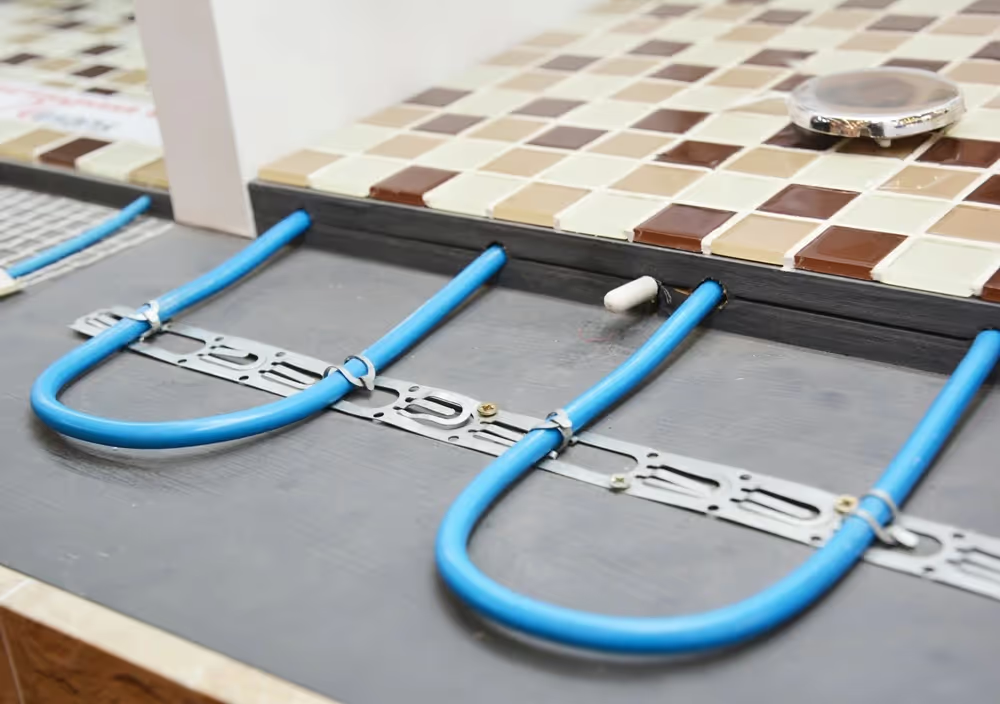
Tile flooring and radiant heating create an ideal partnership for Chicago homes. As tile installers specializing in bathroom remodeling, we've seen how this combination transforms cold surfaces into comfortable spaces.
Why Tiles Excel with Radiant Heat
Ceramic and porcelain tiles conduct heat exceptionally well due to their density and thermal properties. Stone tiles also provide excellent heat transfer while adding luxury to your space.
Tile Installation Considerations
The heating elements sit directly beneath your tile in a thin layer of thinset mortar. This allows heat to transfer without adding significant floor height. Waterproofing membranes protect the heating system while ensuring the bathroom remains durable.
Important note: Always use a flexible thinset designed for heated floors to prevent cracking from thermal expansion.
The Benefits of Radiant Floor Heating in Chicago Homes
Beyond the luxury of warm floors on frigid mornings, radiant heating delivers quantifiable benefits that resonate with the priorities of Chicago homeowners.
Even Heat Distribution Throughout Your Home
No more frustrating cold spots near windows or hot zones by radiators. Heat rises uniformly from every square foot to create consistent comfort, even in Victorian-era homes with drafty windows.
25-30% Energy Savings on Heating Bills
Radiant systems operate more efficiently than forced air systems. For example, the average Chicago home that spends $2,000 annually on heating could save $500-600. Integration with ComEd's time-of-use rates for electric systems provides additional savings.
Cleaner Air During Winter Months
Without air circulation, dust and allergens stay settled. This matters during Chicago's five-month heating season when windows stay closed. Reddit users consistently mention this benefit in home improvement discussions:
"The air quality is always better... no dust circulation like with forced air".
Silent Operation and Design Freedom
No more furnace cycles disrupting sleep at 3 AM, and no radiators taking up wall space in smaller Chicago bungalows. Your floors work seamlessly with any surface, including hardwood, tile, and luxury vinyl plank. This opens up more flooring options for aesthetic and functional upgrades.
30-50 Year System Lifespan
Radiant systems last decades longer than 15-20 year furnaces. Minimal maintenance is ideal for homeowners planning to age in place, especially those with high ceilings that trap warm air inefficiently in traditional systems.
Critical Considerations and Drawbacks
While there are many pros to these systems, we also want to be transparent about challenges to set realistic expectations for Chicago homeowners.
$7,000-66,000 Initial Investment
Total project costs range from $7,000 for a master bathroom to $66,000 for a whole-home renovation. Compare these costs to $4,700-9,500 to install a new furnace. The 17 percent skilled labor shortage drives specialized installation costs even higher.
Complex Installation in Existing Homes
Retrofit installations require complete floor removal. Floor height increases by 1/2" to 1", creating transition issues with doors and fixtures. It typically takes 2-3 days for electric heater bathroom installation and 2-3 weeks to install whole-house hydronic systems.
4-7 Hour Response Time
Concrete slabs take hours to reach high temperatures due to their sheer thermal mass. Chicago's variable spring/fall weather patterns, featuring 40-degree daily swings, make quick adjustments impossible. Continuous low-temperature operation proves 15-20 percent more efficient than on-demand heating. One Reddit user explained:
"Radiant floors respond very slowly due to thermal mass... you might feel cold for an hour while the system catches up".
Difficult and Expensive Repairs
Hydronic leaks in concrete slabs can cause catastrophic water damage. Electric system repairs cost $200-500 when faults occur. The psychological stress of inaccessible systems beneath finished floors is concerning to many homeowners.
No Air Conditioning Capability
Unfortunately, radiant floors cannot provide cooling for Chicago's humid summers. You'll need separate solutions like ductless mini-splits ($3,000-5,000 per zone) or maintain existing ductwork. The total cost implications of dual systems aren’t cheap and add significantly to the budget.
Making the Right Decision for Your Chicago Home
The optimal heating solution depends on your specific home characteristics, renovation scope, and long-term residence plans. Let's examine when radiant heating makes sense and when traditional heating methods might serve you better.
Ideal Candidates for Radiant Floor Heating
The following situations typically benefit most from radiant heating system installation. Consider if your project matches these criteria for maximizing return on investment.
- New construction or gut renovations: Open subfloors make installation straightforward and cost-effective. No existing flooring to remove means lower labor costs and faster timelines.
- Long-term homeowners (10+ years): The high initial investment pays off through energy savings over time. Increased home and comfort value justify upfront costs for permanent residents.
- Allergy and asthma sufferers: Improved air quality without dust circulation provides health benefits. No forced air means allergens stay settled rather than constantly recirculating.
- Luxury home markets: North Shore buyers expect premium features like heated floors. Properties in Winnetka, Lake Forest, and Highland Park benefit from this upgrade.
- Home additions and extensions: Extending existing ductwork is often more complex than installing electric radiant. New spaces benefit from independent heating zones without affecting the primary heat source.
When to Skip Radiant Heating

Sometimes traditional heating systems make more financial and practical sense. We’ve outlined some scenarios that typically don't justify the investment in underfloor heating.
- Historic home restrictions: Many preservation guidelines limit floor modifications and structural changes. Check local regulations before planning any radiant floor installation.
- Investment properties: Rental properties need a quick ROI that radiant systems can't provide. Tenants rarely pay a premium rent for heated floors compared to installation costs.
- Recent HVAC updates: If you've installed a new furnace within 5 years, adding radiant heat wastes that investment. Maximize your existing system's lifespan before considering alternatives.
- Limited renovation budgets: Projects under $20,000 can't absorb radiant heating costs effectively. Instead, focus the budget on visible improvements with immediate impact.
- Short-term residence plans: Families planning to relocate within 5 years won't recoup installation costs. The payback period requires a longer residence to justify the investment.
Essential Questions to Consider Before Installation
Don’t commit to any radiant heating project without answering these critical questions. Each factor significantly impacts project success and long-term satisfaction.
- Electrical capacity assessment: Can your panel handle an additional 20-30 amp circuits for electric systems? Older Chicago homes often need panel upgrades, adding $1,500-3,000.
- Structural load considerations: Will your floor joists support added weight from hydronic systems and concrete? You may need an engineer to evaluate your space if you have an older home.
- Construction season timing: Chicago's construction season runs from April through November for optimal conditions. Winter installations face weather delays and material complications.
- Contractor experience verification: Does your contractor have specific radiant heating certifications? Request references from similar projects completed within two years.
- System type comparison: Have you obtained detailed quotes for both electric and hydronic options? Price differences help determine the most cost-effective solution.
We understand that your home is your safe space and an investment that you take seriously. Take your time to evaluate these factors to ensure your heating investment delivers lasting value and comfort for your Chicago home.
Let’s Build Your
Contact Majestic Tiles today to schedule a free consultation.
Get Your Personalized Quote.svg)
Is Radiant Floor Heating Right for You?
For Chicago owners who are willing to invest upfront, radiant floor heating delivers superior comfort and efficiency. While installation costs and complexity require careful consideration, the long-term benefits of even heat distribution, energy savings, and enhanced air quality often justify the investment for those planning extended residence.
At Majestic Tiles, we've guided hundreds of Chicago families through successful radiant heating installations, from luxury bathroom renovations in Winnetka to whole-house systems in Lincoln Park. Our experienced team specializes in integrating heating systems with tile installations, ensuring your investment delivers decades of comfort and style. Contact us today at (847) 229-9836 to explore how radiant floor heating can transform your home's winter experience.
.avif)
.avif)


