.svg)
How to Choose a Remodeling Contractor in Chicago: A Complete 2026 Guide
Chicago homeowners invested over $509 billion in home improvements in 2025, according to the Joint Center for Housing Studies at Harvard University. Whether you're planning kitchen remodeling, bathroom renovations, or a complete home transformation, choosing qualified Chicago remodeling contractors protects your investment and ensures quality results. In this guide, we cover everything from verifying licenses to comparing bids and avoiding the costly mistakes that plague 35% of renovation projects.
Why Choosing the Right Chicago Remodeling Contractor Matters

The contractor you choose impacts every aspect of your home remodeling project. The ideal professional brings local expertise, proper licensing, and a network of reliable subcontractors who understand Chicago's specific requirements. They know how to work with the city's diverse architecture, from historic brownstones in Lincoln Park to modern condos in River North.
The wrong choice can result in abandoned projects, construction liens, code violations, and financial losses. In 2026, with the average kitchen remodel costing $45,000-$85,000 and whole-home renovations often exceeding $150,000, these stakes have never been higher. Don't leave this important decision to chance. Projects involving structural changes, plumbing, electrical work, or additions need contractors who can handle Chicago's permit system and stay compliant with city regulations.
Chicago Contractor Licensing Requirements in 2026
Chicago requires all general contractors to hold a valid license from the Chicago Department of Buildings. Unlike Illinois, which has no state-level general contractor licensing, Chicago maintains strict municipal requirements that changed in January 2026.
Five License Classifications
The city offers five license types based on project value.
- Class A covers unlimited project value with $5 million insurance per occurrence and a $2,000 annual fee.
- Class B handles projects up to $10 million with $3 million insurance and a $1,000 fee.
- Class C manages projects up to $5 million with $2 million insurance (increased from $1 million in 2026) and a $750 fee.
- Class D covers projects up to $2 million with $2 million insurance and a $500 fee.
- Class E handles projects up to $500,000 with no fee increase for 2026.
Verifying License Status
Always verify your contractor's license through the Chicago Licensed Contractors database. Licenses expire annually and must be renewed through Continental Testing Services. Check that the license is current, matches the contractor's business name, and covers your project scope. Licensed contractors must also maintain proper insurance with the City of Chicago listed as additionally insured.
Essential Qualities to Look for in Remodeling Contractors
Licensing isn't everything, as several factors separate exceptional contractors from mediocre ones.
Local Experience and Knowledge
Chicago contractors need specialized knowledge that out-of-town professionals don't have. They must understand vintage housing stock, landmark district regulations, neighborhood associations, extreme temperature fluctuations affecting material selection, and high-rise construction logistics. Contractors with established Chicago operations have relationships with local suppliers, inspectors, and specialized subcontractors.
Design-Build Capability
Our remodeling approach streamlines your project by combining design and construction under one contract. It's a unified team structure that improves communication, reduces timeline delays, and creates single-source accountability. With design-build contractors, many Chicago homeowners report faster project completion and better budget management.
Portfolio and Specialization
Review the contractor's portfolio to confirm they have experience with projects similar to yours. A contractor with only bathroom remodeling expertise may not be the best choice for a whole-home renovation or kitchen addition. Look for completed projects in homes similar to yours in age, style, and scope.
How to Research and Vet Potential Contractors
Once you've identified potential remodeling contractors in Chicago, thorough vetting protects you from problems down the line.
Getting Quality Referrals

Start with personal recommendations from neighbors, friends, and family who've completed similar projects. Local online communities and neighborhood Facebook groups are a great way to see honest feedback. Real estate agents, architects, and interior designers also maintain lists of reliable professionals they trust.
Checking References Thoroughly
Contact at least three recent clients and ask specific questions: Did the contractor stay within budget? Were the timeline estimates realistic? How did they handle unexpected issues? Would you hire them again? Recent references matter most, as a contractor's quality can change over time.
Online Reviews and Complaints
Check multiple review platforms, including Google, Yelp, Better Business Bureau, and Angie's List. Look for patterns in complaints rather than isolated incidents. Search for your contractor on the Illinois Attorney General's website and check for judgments, liens, or legal actions.
Questions to Ask Before Hiring
In-person meetings reveal communication styles and professionalism. Come prepared with these essential questions.
Licensing and Insurance
Request copies of their current Chicago contractor license, general liability insurance (with the City of Chicago as additionally insured), and workers' compensation insurance. Verify insurance coverage directly with the provider, and ask who will be on-site daily and confirm all workers are covered.
Project Timeline and Process
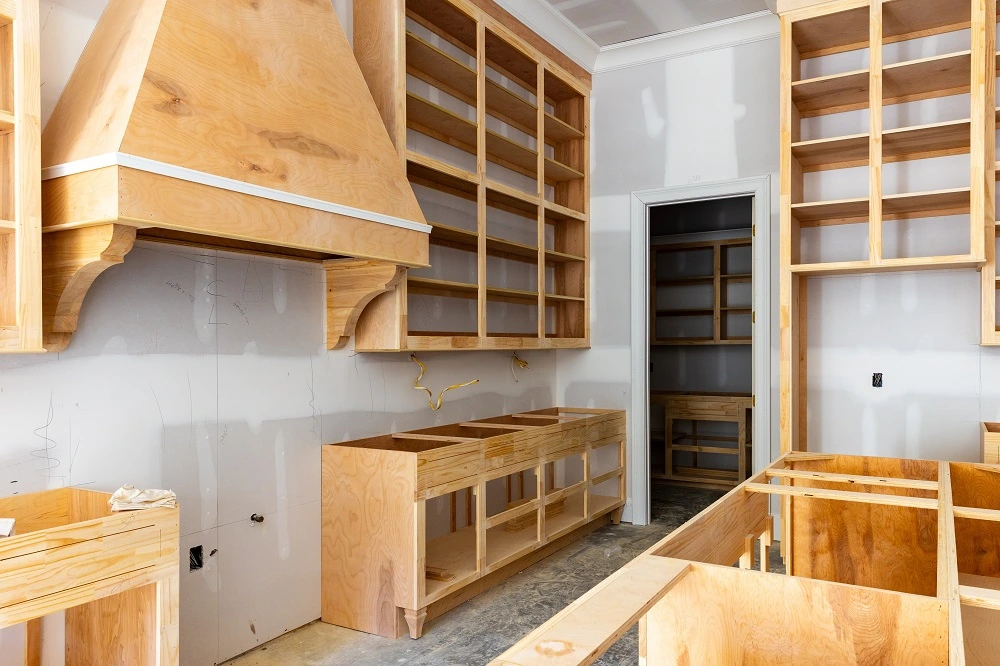
Get realistic timeline estimates, including design, permitting, material procurement, and construction phases. Ask how they handle delays caused by weather, material shortages, or permit issues. Request a detailed explanation of their project management approach and who will be your daily contact.
Subcontractors and Materials
Identify which work they perform in-house versus subcontract out. Request information about their regular subcontractors, including plumbers, electricians, HVAC specialists, and tile installers. Ask about their material sourcing process and supplier relationships.
Payment Structure and Change Orders
Reputable contractors never ask for full payment upfront. Typical payment schedules tie payments to project milestones: A deposit at contract signing (typically 10-20%), payments at specific completion stages, and final payment after final inspection. Get the change order process in writing.
Understanding the Contract and Protecting Yourself
A comprehensive written contract protects both parties and sets clear expectations.
Essential Contract Elements
Your contract should include a detailed scope of work, specific materials by brand and model number, a project timeline with start and completion dates, total cost broken down by labor and materials, a payment schedule tied to milestones, and permit responsibility. The contract should also cover insurance requirements, warranty terms, and dispute resolution.
Red Flags to Avoid
Walk away from contractors who refuse to provide written contracts, require large upfront payments (especially 50% or more), lack proper licensing or insurance, provide vague scopes of work, or pressure you to make immediate decisions. Other warning signs include contractors who discourage multiple bids, can't provide local references, suggest working without permits, or have only P.O. box addresses.
Comparing Bids and Making Your Final Decision

You'll want to get at least three detailed written estimates from qualified contractors.
How to Compare Estimates
Don't automatically choose the lowest bid, as it doesn't mean it's the best contractor for the job. Compare bids by examining the scope of work, materials quality, warranty coverage, project timelines, and what's included versus excluded. A lower bid might exclude costs that other contractors included, use lower-quality materials, or come from an unlicensed contractor. Be cautious of extremely low bids, as they can indicate desperation, misunderstanding, or planned corner-cutting.
Trust Your Instincts
There's something to be said about a gut feeling. Technical qualifications matter, but so does your comfort level. You'll work with this contractor for months, and they'll be in your home daily. Choose someone who communicates clearly, listens to your concerns, answers questions directly, and shows respect for your home and time.
What to Expect During Your Remodeling Project
Your contractor should finalize design details, order materials, pull necessary permits, and create a detailed schedule before demolition begins. They should protect your home with dust barriers and floor protection, maintain a clean work site, and communicate changes quickly. Regular inspections by city building inspectors are normal and required.
Maximizing Your Return on Investment
Strategic choices during your remodel can significantly impact your home's value. Proven kitchen renovation experience continues to offer 70-80% returns, while bathroom remodels typically return 65-75%. Energy-efficient upgrades like new windows, improved insulation, and modern HVAC systems appeal to Chicago buyers concerned about heating costs. Your contractor is there to help you balance your personal preferences with features that maintain or increase home value in your specific neighborhood.
Let’s Build Your
Contact Majestic Tiles today to schedule a free consultation.
Get Your Personalized Quote.svg)
Perfect Your Chicago Home Remodel with Majestic Tiles
The right Chicago home remodeling contractors transform your vision into reality while protecting your investment. At Majestic Tiles, we guide homeowners through contractor selection, material choices, and project planning for kitchen remodeling, bathroom renovation, and whole-home transformations. We have over two decades of experience in this space, and we’re passionate about creating unique spaces that elevate your lifestyle. Contact us today for the expert support your project deserves.
.avif)
.avif)