.svg)
Home Remodeling Steps: A Checklist to Help Plan and Organize Your Renovation
Planning a home remodel in Chicago requires more than enthusiasm and a Pinterest board. While this is a good starting point, working with a trusted Chicago home remodeling company like ours at Majestic Tiles is essential. We'll walk you through every phase of the home remodeling process, helping Chicago homeowners stay organized and avoid common pitfalls.
Define Your Renovation Goals and Priorities

Before contacting contractors or browsing material samples, spend time clarifying what you want to achieve. Are you preparing to sell and focused on ROI? Creating a forever home? Solving functional problems like insufficient storage or outdated systems? This information can help guide the direction of your project.
Identify Your Must-Haves vs. Nice-to-Haves
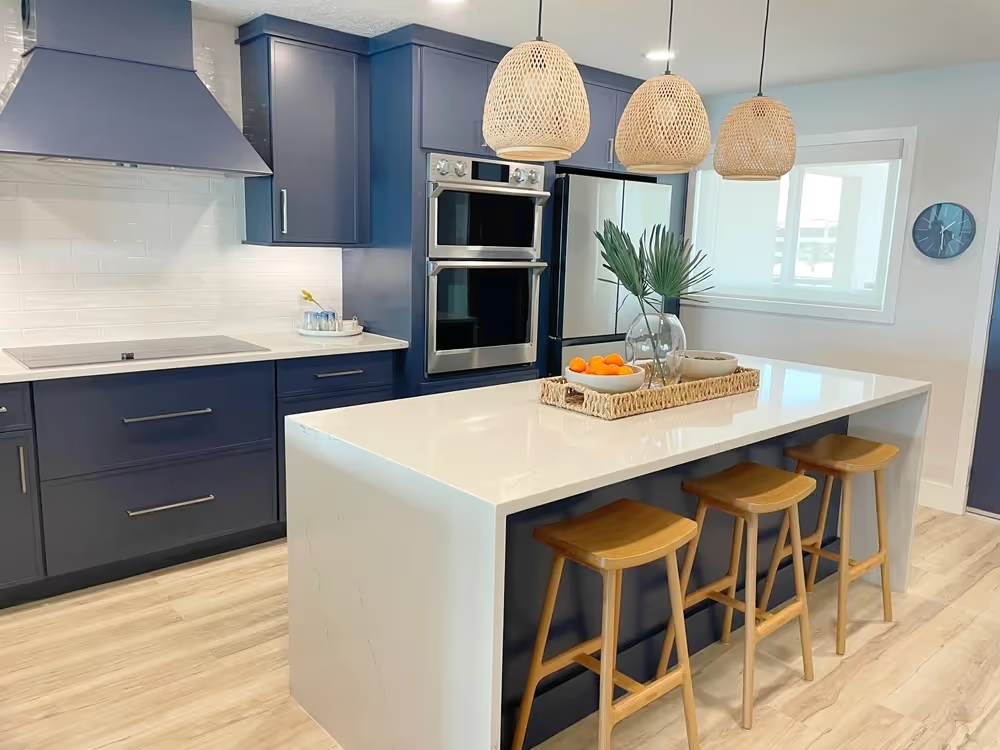
Write down specific objectives for each space. Must-haves are non-negotiable elements that directly address your core needs, while nice-to-haves can be scaled back if budget constraints emerge. For example, a bathroom might need better accessibility for aging in place, while a kitchen could benefit from improved workflow and more counter space.
Choose Projects That Deliver Value
Research from the National Association of Realtors shows that kitchen and bathroom remodels consistently deliver strong returns, but the best starting point depends on your personal situation. If you work from home, creating a dedicated office might improve your daily life more than renovating a guest bathroom you rarely use.
Establish a Realistic Budget with Contingency Funds
Setting a renovation budget goes beyond estimating material and labor costs. We recommend researching average prices for your specific project type — from basement remodeling planning to kitchen renovations — in the Chicago area to get started.
Typical Project Costs
- Minor kitchen remodel: $20,000–$30,000
- Major kitchen renovation: $60,000+
- Basic bathroom updates: $6,000–$10,000
- Luxury bathroom transformation: $25,000+
The median homeowner spending on renovations in 2024 was $20,000, with the top 10% of remodelers spending $140,000 or more per project.
Build in Contingency Funds
Always add 10–20% for unexpected expenses. Older homes often reveal hidden issues during demolition, such as outdated wiring, water damage, and structural problems. These types of issues require immediate attention. This buffer prevents project delays when surprises emerge.
Track Every Expense
Create a detailed spreadsheet including permits, demolition, materials, labor, design services, and finishing touches. Don't forget to factor in smaller costs like temporary housing, storage rental, or eating out more often when the kitchen is unusable.
Research Permit Requirements and Building Codes
Chicago has specific permit requirements that vary by project scope. Structural changes, electrical work, plumbing modifications, and HVAC installations typically require permits.
Why Permits Matter
Working without proper permits can result in fines, failed inspections, and complications when you sell your property. Visit the City of Chicago Building Department for detailed information about permit applications.
Apply Early
Processing times vary from weeks to months, depending on how complex the project is. If permits are delayed, it can push back your entire timeline, so factor this waiting period into your planning. Your contractor should handle permit applications, but verify this responsibility during initial discussions.
Hire the Right Professionals for Your Project
According to recent surveys, over 90% of homeowners work with professionals on renovation projects, with that percentage increasing for projects over $50,000.
Get Multiple Bids
Request at least three detailed bids from licensed, insured contractors. Compare not just pricing but also timelines, materials, warranties, and communication style. While it can be tempting to go with the lowest bid, this isn't always the best choice if it comes with limited experience or poor references.
Verify Credentials
Check licenses, insurance coverage, and references from recent projects. Ask to visit completed work or speak with past clients about their experience. Online reviews are useful, but direct conversations reveal more about a contractor's reliability.
Understand the Payment Schedule

Most contractors request an initial deposit, followed by progress payments at specific milestones, with final payment due upon completion. Never pay the full amount upfront, and ensure the contract clearly outlines what happens if issues arise or timelines slip.
Create a Detailed Project Timeline
Renovation timelines vary widely based on scope. Timeline issues continue to escalate due to product shortages and labor availability.
- Major kitchen remodel: 8+ weeks
- Bathroom renovation: 6–8 weeks
- Whole-home projects: 4–6 months
Work with your contractor to establish realistic milestones. It's helpful to break the project into phases: demolition, rough construction, systems installation, finish work, and final inspection.
Plan for Delays
Nearly 50% of homeowners report timelines extending past original expectations due to material delays, permit issues, or unexpected discoveries during demolition. Always build flexibility into your schedule and communicate regularly with your contractor about changes.
Prepare Your Home and Protect Your Belongings
Before demolition starts, prepare the renovation area properly to protect your belongings and ensure safety.
Remove and Store Items
- Take out all furniture, artwork, and personal items from spaces being remodeled.
- Consider renting temporary storage for larger furniture pieces.
- Cover or relocate valuables in adjacent rooms to protect them from dust.
Set Up Temporary Living Arrangements
You may need to stay elsewhere during key phases if you're undergoing a major renovation that impacts your kitchen or bathrooms. Some homeowners stay with family, while others rent temporary housing nearby. If possible, maintain one functional bathroom if your home has multiple.
Establish Safety Boundaries
Plastic sheeting and temporary barriers help contain dust, though it's not always possible to contain everything completely. Plan for pets and children by arranging alternative care during work hours or designating safe areas away from active construction zones.
Monitor Progress and Maintain Open Communication

Once work begins, stay involved without micromanaging. Schedule regular check-ins with your contractor to review progress, address concerns, and make necessary decisions.
Document Everything
- Take before pictures to prove pre-existing conditions.
- Photograph progress to create a visual timeline.
- Keep detailed records of all transactions and change orders.
- Document scope adjustments in writing with cost and timeline impacts.
Make Timely Decisions
Contractors often need quick answers about material selections, layout modifications, or problem-solving approaches. If decisions are delayed, it can stall progress and extend your timeline unnecessarily.
Complete Final Inspections and Address Any Issues
As construction wraps up, schedule a final inspection with your contractor before making the last payment.
Create a Punch List
Walk through every space together, noting any incomplete items, defects, or concerns. This step ensures that you are satisfied with all the agreed-upon work.
Verify Code Compliance
Another important step is arranging the required municipal inspections. Local building departments must verify that electrical, plumbing, and structural work meets code requirements. Your contractor typically coordinates these inspections, so confirm that they've obtained all necessary approvals.
Test Everything
Run faucets, flip switches, operate appliances, and check that doors and windows function smoothly. It's easier to address problems immediately rather than discovering issues after your contractor has moved on to the next job.
Let’s Build Your
Contact Majestic Tiles today to schedule a free consultation.
Get Your Personalized Quote.svg)
Plan Your Chicago Home Remodel with Majestic Tiles
A successful home remodel starts with thorough planning, realistic budgeting, and selecting experienced professionals who understand local market conditions. At Majestic Tiles, we help Chicago homeowners transform their spaces with quality materials, expert installation, and guidance through every step of the remodeling process. We’re passionate about bringing transformative results to your space and lifestyle. Contact us to start planning your
.avif)
.avif)