.svg)
How Much Does It Cost to Remodel a Home in Chicago in 2026?
Planning a home renovation means facing one unavoidable question: what will this actually cost? For Chicago homeowners, especially those on the North Shore, the answer has more variables than you’ll find in any national pricing guide. Your home's age, the specific village you're in, the scope of work, and the finish level you expect all shape the final number in ways that are genuinely Chicago-specific.
What most online cost guides miss: Chicago runs 15–25% above national averages, and the North Shore runs another 15–25% above the rest of Chicago. A kitchen that costs $65,000 in the suburbs of another city often runs $100,000+ in Lake Forest or Winnetka — not because contractors charge more arbitrarily, but because the homes are older, and the permit processes are stricter. Buyers in these communities expect a finish level that doesn't exist in the national average.
Working with an experienced Chicago house remodeling company, such as Majestic Tiles, ensures you receive accurate estimates that reflect local permit requirements, seasonal challenges, and material availability.
In this guide, our expert team breaks down 2026 renovation costs across different project types, budget levels, and individual rooms — so you can plan confidently before your first contractor conversation.
Chicago Home Remodeling Costs in 2026: The Quick Answer

For pricing per square foot, expect to invest $120 to $150 for complete home renovations with quality finishes. Gut renovations involving full systems replacement and structural work typically range from $200 to $350+ per square foot, depending on the project's materials and complexity.
Chicago remodeling projects typically range from $75,000 to $650,000+, depending on scope, with room-specific projects starting lower. These figures reflect current North Shore market conditions, including labor rates, permit fees, mandatory logistical fees (e.g., elevator scheduling and protective measures), and material costs specific to the Chicagoland area.
These ranges factor in Chicago-specific factors like older home infrastructure upgrades, extended permit processing times, and seasonal weather limitations that affect project timelines and overall cost.
Room-by-Room: What Does Each Remodel Cost in Chicago in 2026?
Before we delve into full-home budgets, most homeowners want to know what individual rooms cost. Here's what 2026 pricing actually looks like for Chicago's three most-requested projects.
Bathroom Remodel Cost in Chicago
A full bathroom renovation in Chicago ranges from $17,500 to $55,000+, with North Shore projects — larger footprints, premium tile, custom glass — typically running $40,000–$100,000.
You’re likely wondering what drives the difference between a $30K and $75K bathroom. The main factors are tile selection, whether the layout changes (which triggers plumbing permits), and the size of the space. A guest bath refresh with a new vanity, toilet, tile floor, and updated fixtures will come in at the lower end. A full primary suite gut, including elements like custom large-format porcelain, heated floors, a frameless glass enclosure, and a freestanding tub, pushes toward the top.
In Illinois, you’ll need a permit for any work involving plumbing or electrical. A reputable contractor handles all permitting as part of the project. Majestic Tiles' NTCA Advanced Certification and direct-import European porcelain inventory (Tubadzin, Cersanit, Paradyz, Cerrad) means the tile selection your North Shore home deserves is already in stock — not on a 12-week order lead time.
Kitchen Remodel Cost in Chicago
Kitchen remodels are the most budget-variable project in any home. In Chicago in 2026, a budget refresh starts around $27,000; a full custom kitchen with structural changes can reach $145,000 or more. On the North Shore, high-end kitchens routinely run $100,000–$250,000.
Cabinetry is consistently the largest line item that typically accounts for 35–40% of the total kitchen budget. In a $65,000 North Shore kitchen, expect $23,000–$26,000 going toward cabinets alone. A tile backsplash and large-format porcelain flooring are the second-biggest visual investment, and the category where Majestic Tiles' direct European sourcing delivers the most value.
Mid-range and high-end kitchen remodels almost always require permits in Chicago when plumbing or electrical work is involved. Any layout changes, like removing a wall, relocating an island, or adding an exhaust hood, add scope and permits.
Basement Finishing Cost in Chicago Suburbs
A finished basement on Chicago's North Shore typically costs between $35,000 and $140,000, with most projects landing between $65,000–$100,000 once homeowners add a bathroom, wet bar, or specialty room.
North Shore-specific factors that affect basement cost:
- Plumbing rough-in already in place in many newer homes (saves $5,000–$15,000).
- Ejector pump requirement for homes below sewer grade (+$3,000–$8,000).
- Egress window installation required for any basement bedroom (+$3,000–$8,000 per window in masonry foundations).
- Waterproofing and moisture remediation — common in pre-1960 North Shore homes, often discovered at demo.
Tile often plays a major role in high-quality basement finishes, from heated bathroom floors to large-format porcelain in entertainment spaces and custom tile work around wet bars. This is where having a tile specialist on the remodeling team — not a general contractor who subcontracts tile — produces a measurably better result.
Budget-Friendly Home Renovations in Chicago
Budget-friendly renovations focus on cosmetic updates to surfaces, fixtures, and finishes without structural changes. A realistic budget of $75,000-$150,000 typically covers a whole-home refresh or multiple room updates.
What Budget Renovations Include
This investment level focuses on visible improvements that transform your space without touching underlying systems:
- Painting
- Refinished or new flooring in select rooms
- Updated lighting
- Cabinet refacing or painting
- New countertops in standard materials like laminate or basic granite
- Fixture replacements in bathrooms
- Basic tile work
This level works well for homes that have a solid existing infrastructure.
What's Not Included
Budget renovations exclude major layout changes, plumbing or electrical system overhauls, structural modifications, and extensive custom carpentry work. Proper permits are still required for electrical and plumbing updates, even at this level. The City of Chicago Department of Buildings mandates permits for most remodeling work.
Is $50,000 Enough for Home Renovation?
While $50,000 can cover focused single-room projects like a kitchen, bath, or basement finishing, it typically isn't sufficient for whole-home renovations in the Chicago market. However, this amount is an excellent starting point for priority spaces.
Best Candidates for Budget Renovations
This approach is ideal for newer homes that need cosmetic updates, homeowners prioritizing specific high-impact rooms, or properties being prepared for sale.
Mid-Range Home Renovation Cost: Balancing Quality and Investment
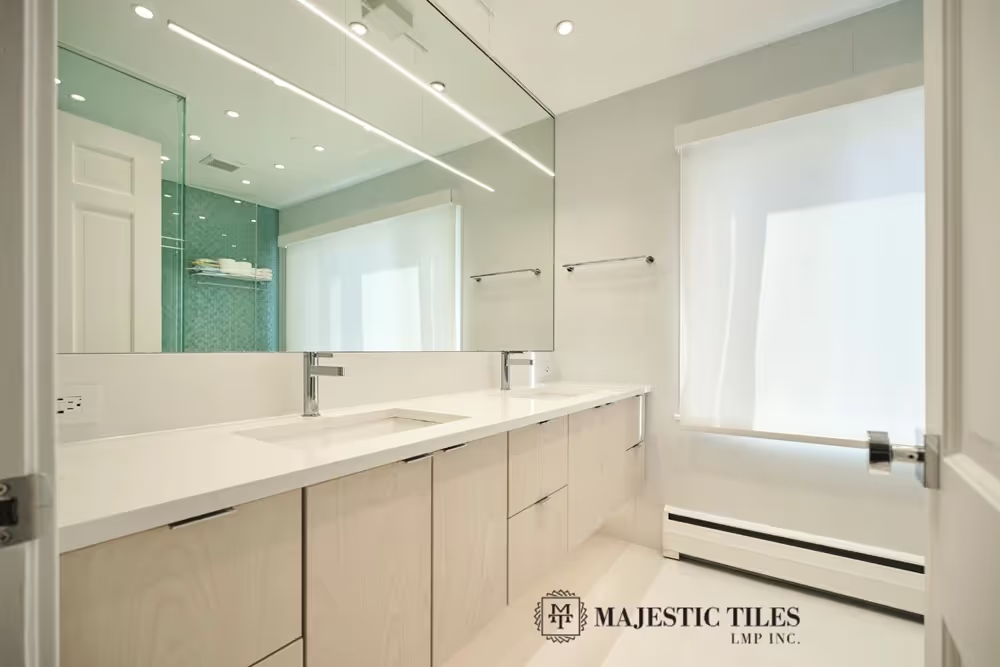
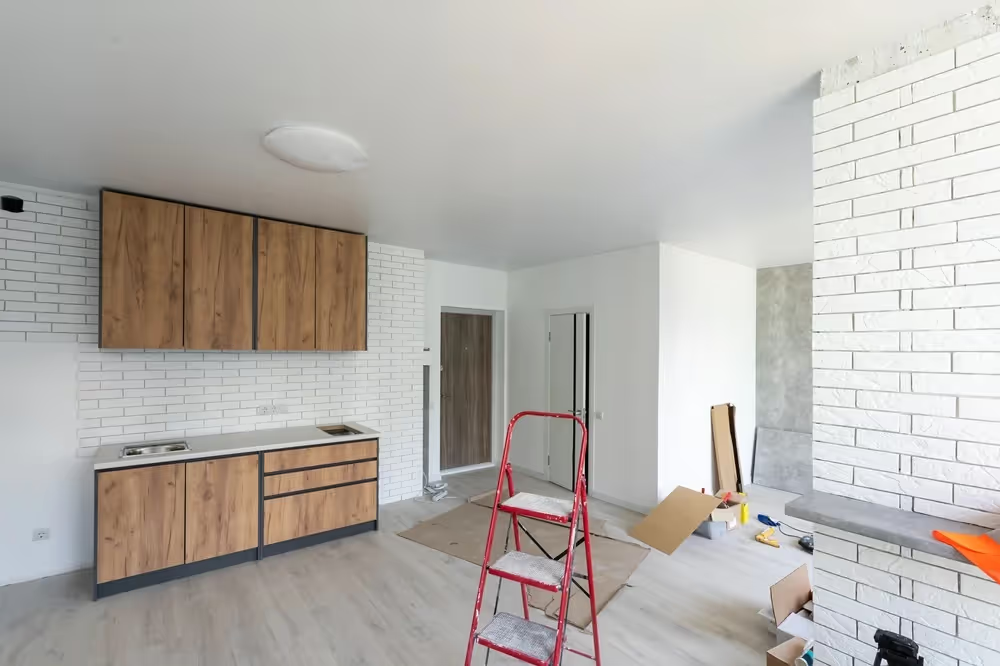
Mid-range renovations ($150,000-$350,000) incorporate quality materials, some layout modifications, and updated systems while still being aware of cost. Typically, this tier is the sweet spot for most Chicago homeowners seeking lasting improvements.
What Mid-Range Projects Include
These renovations feature:
- Custom cabinetry in kitchens and baths
- Quartz or granite countertops
- Quality porcelain or ceramic tile installations
- Hardwood or luxury vinyl flooring
- Upgraded plumbing and electrical fixtures, smart home integrations
- Radiant floor heating in bathrooms
- Selective wall removals for improved flow
Typical Project Scope
This level typically involves gutting one or two major rooms while updating others cosmetically, selective system upgrades where needed, enhanced insulation and energy efficiency improvements, and custom millwork in focal areas.
Is $100,000 Enough to Renovate a House?
A budget of $100,000 positions homeowners well for comprehensive single-room transformations like high-end kitchens or primary bathroom suites. This budget also covers multiple mid-level room updates across the home, making it a realistic budget for those seeking focused quality improvements.
Note: Mid-range projects typically span 3-6 months, depending on scope, with permit processing adding 4-8 weeks in Chicago suburbs.
High-End Luxury Home Renovations
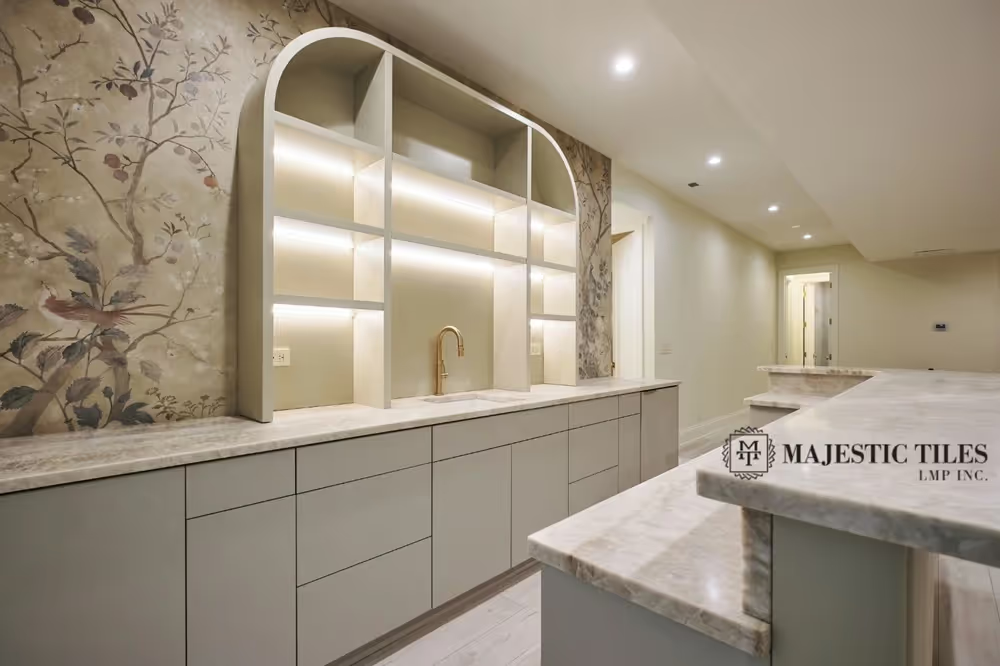
Luxury renovations ($350,000-$650,000+) result in comprehensive transformations using premium materials, extensive custom work, and complete systems overhauls. This tier prioritizes craftsmanship, unique design elements, and long-term home value.
Luxury Project Features
High-end renovations include:
- Custom cabinetry throughout
- Natural stone surfaces, including marble and quartzite
- Large-format porcelain tile and slab installations
- Extensive custom millwork and built-ins
- Complete electrical panel upgrades supporting smart home automation
- High-end plumbing fixtures and statement pieces
- Custom lighting design
- Architectural modifications like vaulted ceilings or added windows
Comprehensive Transformation Scope
Luxury projects often involve complete home gutting, foundation and structural enhancements, full HVAC system replacement, comprehensive insulation and weatherproofing, custom entertainment and home theater installations, and extensive exterior work, including new windows.
Premium Materials and Craftsmanship
With this budget, expect European tile collections, hand-crafted custom cabinetry, specialty finishes requiring skilled artisans, and exclusive design elements that distinguish the home. These materials elevate the entire project beyond standard offerings.
Prime North Shore Locations
Luxury renovations are the most common in Gold Coast, Lincoln Park, Lake Forest, Highland Park, Winnetka, and similar North Shore locations where homes command premium finishes.
What Influences the Cost of Chicago Home Remodeling?
Chicago is a unique market with cost drivers that go well beyond what national guides account for. Here are the five factors that most consistently move budgets up — and how to plan around them.
1. Home Age and Infrastructure
Pre-1950 homes common across Chicago and North Shore suburbs have substantial hidden costs, including outdated electrical systems needing complete replacement, galvanized plumbing requiring updates, asbestos remediation in older materials, lead paint abatement, foundation repairs, and inadequate insulation requiring upgrades. These infrastructure improvements alone often add $30,000-$80,000 to project costs.
Over 60% of Chicago's housing stock was built before 1950. That means a "simple remodel" in an older home frequently requires a full electrical rewire ($12,000–$25,000), complete plumbing replacement ($8,000–$18,000 for galvanized-to-PEX conversion), asbestos testing and abatement ($1,000–$12,000), and lead paint remediation ($3,000–$20,000 in pre-1978 homes). Build these into your contingency budget before demo begins — not after.
2. Neighborhood and Location
Gold Coast, Lincoln Park, and premier North Shore suburbs like Winnetka and Lake Forest see 15-25% higher costs because of noise ordinances limiting work hours, stricter HOA requirements, competitive contractor demand, and premium material expectations. Areas like Glenview, Deerfield, or Northbrook offer more moderate pricing.
3. Permit Requirements and Inspection Timelines
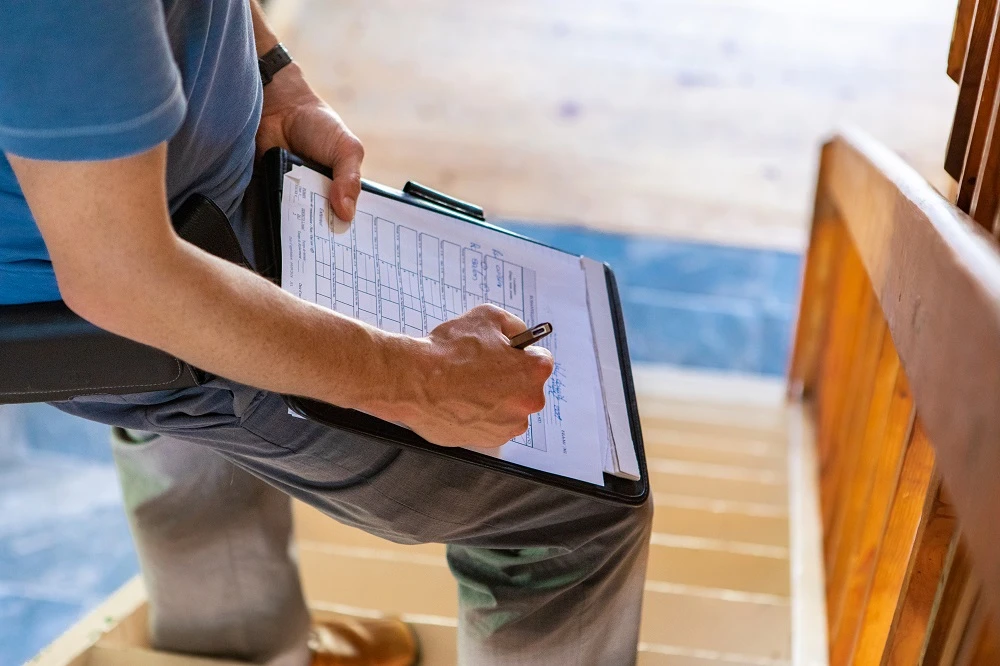
Chicago permit processes require detailed plans and engineering stamps, with processing taking 4-8 weeks in the suburbs. Multiple inspection points throughout construction and seasonal delays during peak building periods add complexity. Permit fees typically add $2,000-$8,000, depending on scope.
The smartest strategy: submit permits in January–February for a March–April construction start. Projects that begin permitting in late spring are competing with every other homeowner who had the same idea.
4. Seasonal Weather Considerations
Chicago winters are intense, impacting projects through exterior work limitations from November through March, heating requirements for ongoing interior work, material delivery delays during snowstorms, and extended timelines for projects spanning winter months. Savvy homeowners often schedule major renovations for spring starts.
5. Material Selection and Availability
Finishes dramatically affect budgets, from stock cabinets versus custom carpentry to laminate versus natural stone countertops. Standard tiles versus large-format porcelain slabs and builder-grade fixtures versus designer selections create significant price differences. Access to exclusive European tile collections through specialized suppliers can increase project costs while maintaining value.
One practical advantage Majestic Tiles homeowners have: 250,000+ sq ft of European porcelain in stock at the Wheeling warehouse means your tile is available now — not on a 10-week import order that delays your entire project.
Should You Renovate or Move? The 2026 Math for North Shore Homeowners.
This is the question behind nearly every remodeling conversation in 2026. With Chicago-area home prices still elevated and mortgage rates hovering near 6%, the calculus has shifted decisively toward renovation for most homeowners.
Selling a Chicago home is more expensive than most people realize: agent commissions (5–6%), Chicago transfer taxes (1.5%), staging, moving, and closing costs typically total $40,000–$80,000+, just to change addresses. When you apply that $50,000–$80,000 to a renovation, this money goes directly into a home you already own at a rate you've already locked in.
The ROI picture is strong for the right projects:
Homeowners who locked in 2.5–3.5% rates in 2020–2021 face a particular constraint: moving to a comparable North Shore home at today's ~6% rate can add $1,300–$1,500/month in interest alone. Renovation lets you stay in your neighborhood, your schools, and your community with a home that finally works the way you need it to.
Gut Renovation vs. Non-Gut Renovation: Cost Comparison
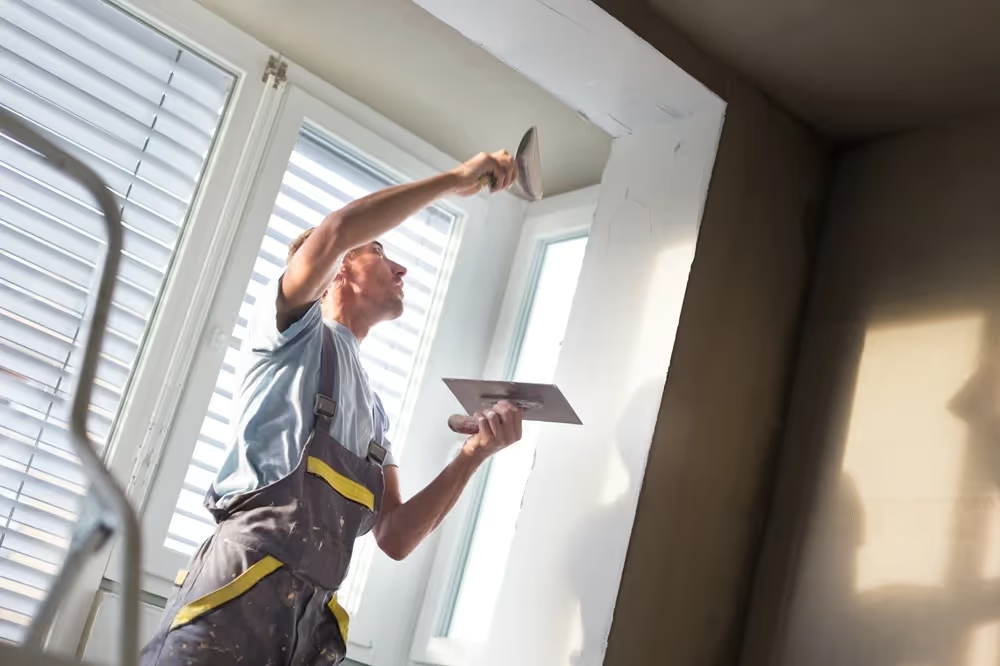
The fundamental difference between these approaches determines your project scope and budget. Gut renovations strip spaces to studs and subfloor and replace all systems and finishes, while non-gut renovations preserve existing infrastructure and focus on surface improvements.
Non-Gut Renovation Costs
This approach preserves existing walls, plumbing locations, electrical boxes, and structural elements. In these projects, the focus remains on new flooring, updated fixtures, cabinet refacing or replacement, fresh paint, and new tile in existing layouts. It's typical to pay anywhere from $125-$200 per square foot for quality finishes.
- Advantages: Non-gut renovations offer significantly shorter timelines (often 50% faster), fewer permit requirements, reduced labor costs, less disruption to daily life, and the ability to live in portions of your home during work. This works well for homes with solid existing infrastructure and layouts that function well.
- Limitations: This approach can't address hidden problems like aging wiring or problematic plumbing. The layout is unchanged, and there's limited opportunity for modern conveniences like radiant heat or enhanced insulation.
Gut Renovation Costs
Gut renovations involve the complete removal of all finishes, flooring, and sometimes walls, with full exposure of framing and systems. This approach often includes comprehensive updates to electrical and plumbing, an opportunity for layout modifications, and installation of modern infrastructure like smart home wiring or radiant heating.
Full-home gut renovations in Chicago begin at approximately $200 per square foot (psf). This price includes demolition, debris removal, disposal, complete systems replacement, all new finishes from subfloor to ceiling, and extensive labor.
We know what you're thinking; gut renovations are expensive. However, they typically cost 40-60% less than tearing down and rebuilding, while maintaining neighborhood character and avoiding extensive permit complications associated with new construction in established Chicago neighborhoods.
Planning Your Chicago Home Renovation Budget
Things may not always go as planned. Successful renovations require 10-15% contingency for unexpected discoveries, especially in older Chicago homes. Having a renovation planning guide from the jump helps prevent costly mistakes and mid-project changes.
- Build in contingency: Set aside 10-15% of your total budget for unforeseen issues common in vintage properties. This financial cushion prevents project delays when contractors discover problems behind walls.
- Prioritize your spaces: Identify which rooms deliver the most impact for your lifestyle and focus investment there first. Kitchen and bathroom renovations typically provide the highest return on investment.
- Get multiple quotes: Request detailed estimates from at least three general contractors to compare pricing, scope, and timelines. This helps you identify fair market rates and avoid overpaying.
- Research financing options: Many homeowners leverage home equity through HELOCs, others use renovation loans like FHA 203(k), and some opt for personal savings or cash-out refinance options. Consult financial advisors to determine the best approach for your circumstances.
- Plan for proper budget allocation: Allocate 45-50% to labor costs, 35-40% to material costs, 10-15% to contingency, and 5% to permit fees and building permits. Custom work increases labor percentages, while premium materials shift the balance toward materials.
- Request detailed estimates: Experienced contractors will provide comprehensive proposals breaking down labor, materials, permits, and project timeline. This transparency helps homeowners make informed decisions and avoid unexpected expenses that create financial stress during your renovation process.
Frequently Asked Questions

How much does a whole-home remodel cost in Chicago in 2026?
Most homeowners invest $150,000–$350,000 for a quality whole-home renovation in Chicago. On the North Shore, such as Highland Park, Lake Forest, Winnetka, and Glencoe, comprehensive projects covering kitchen, bathrooms, and living spaces typically run between $300,000–$600,000. Full gut renovations in larger homes can exceed $800,000.
Why does Chicago home remodeling cost more than national averages?
Chicago costs run 15–25% above national benchmarks due to older housing stock (60%+ of homes built before 1950), a strict permitting process, higher skilled labor rates, and — on the North Shore — elevated finish expectations. National averages are calculated from lower-cost markets like Atlanta and Phoenix. If a contractor quotes you national-average pricing in Lake Forest, don’t be afraid to ask hard questions about scope or quality.
Do I need permits for a home remodel in Illinois?
Yes. Any work involving plumbing, electrical, or structural changes requires permits. Permit fees average $2,000–$8,000, and processing adds 3–10 weeks to project timelines in Cook and Lake Counties. A reputable contractor handles all permit applications as part of the project. Don’t be tempted by unpermitted work, as it creates significant problems at resale.
How long does a home remodel take in the Chicago area?
Bathroom remodels: 2–5 weeks. Kitchen remodels: 6–12 weeks. Whole-home renovations: 4–12 months. Add 3–10 weeks for permit processing. The optimal strategy is to finalize design in November–January, submit permits in January–February, and start construction in March–April.
What is the ROI on a home remodel in Chicago?
Open-concept conversions return approximately 90% ROI; kitchen remodels 70–85%; bathroom renovations 60–70%; basement finishes 65–75%. Premium North Shore neighborhoods push these returns higher due to strong buyer demand for move-in-ready homes with quality finishes.
How much contingency should I budget for a Chicago remodel?
Budget 10–15% above your contractor estimate, especially if your home was built before 1960. Old wiring, galvanized plumbing, asbestos-containing materials, and moisture issues are routinely found once demolition begins. A contingency isn’t pessimism; it's how experienced homeowners avoid mid-project financial stress.
Let’s Build Your
Contact Majestic Tiles today to schedule a free consultation.
Get Your Personalized Quote.svg)
Transform Your Home Confidently
Remodeling your Chicago home requires careful planning, realistic budgets, and partnership with experienced professionals who know local challenges from permit requirements to seasonal limitations.
Majestic Tiles brings over 20 years of remodeling expertise to homeowners throughout Chicago's North Shore communities. Our innovative solutions will elevate your home's space and make it a place you truly love. Contact us today for a consultation and discover how we can bring your renovation vision to life with accurate pricing, realistic timelines, and the skilled execution your home deserves.
.avif)
.avif)